Introduction

An advertised prefab price usually covers the home or the factory package, not the finished place to live. Land, site preparation, the foundation, delivery and crane time, set-up, utility connections, permits and taxes can each be billed separately, and financing adds its own costs. This guide explains those decisions so you can compare quotes on equal terms. It is independent research, not a seller’s catalog.
- Independent cost research; we do not sell homes
- Every price shows its source and date
- No base price presented as a move-in price
- See our methodology
Four kinds of factory-built homes, and why the label matters
“Prefab” is a marketing umbrella, not a legal building category. The classification on your contract decides which code the home is built to, how it can be financed and where local zoning lets you place it.
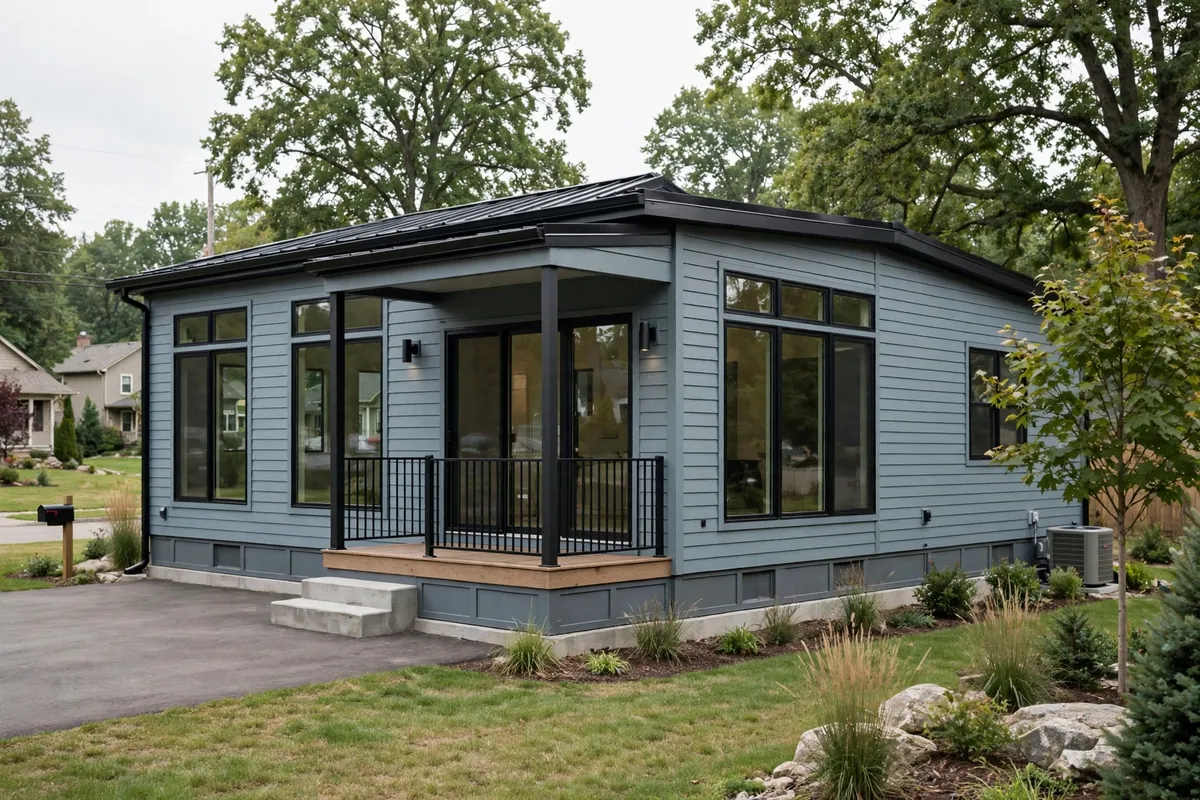
Modular homes
Built in a factory as sections (modules), then trucked to the site and set on a foundation, often by crane.
- Code
- Must meet the state and local building codes where it is placed, like a site-built house.
- Financing
- Generally financed with a mortgage loan, according to HUD’s research office.
- Watch for
- Quotes that stop at “set on foundation” and leave finish work to you.

HUD-code manufactured homes
Built entirely in a factory under federal HUD standards and moved in one or more sections. These homes have traditionally used a permanent steel chassis; a July 11, 2026 federal law broadened the definition to cover qualifying homes built with or without a permanent chassis, and HUD is still developing the matching construction, installation and labeling standards. Chassis-based homes built after June 15, 1976 carry a red HUD certification label on each section. Confirm the specific home’s current certification, installation requirements and state and local rules before you buy.
- Code
- One national standard: HUD’s Manufactured Home Construction and Safety Standards (24 CFR Part 3280).
- Financing
- Often a personal property (chattel) loan; a mortgage may be possible if the home is titled as real property on a permanent foundation, depending on state rules and the lender.
- Watch for
- Zoning that requires special approval for manufactured homes in single-family areas.
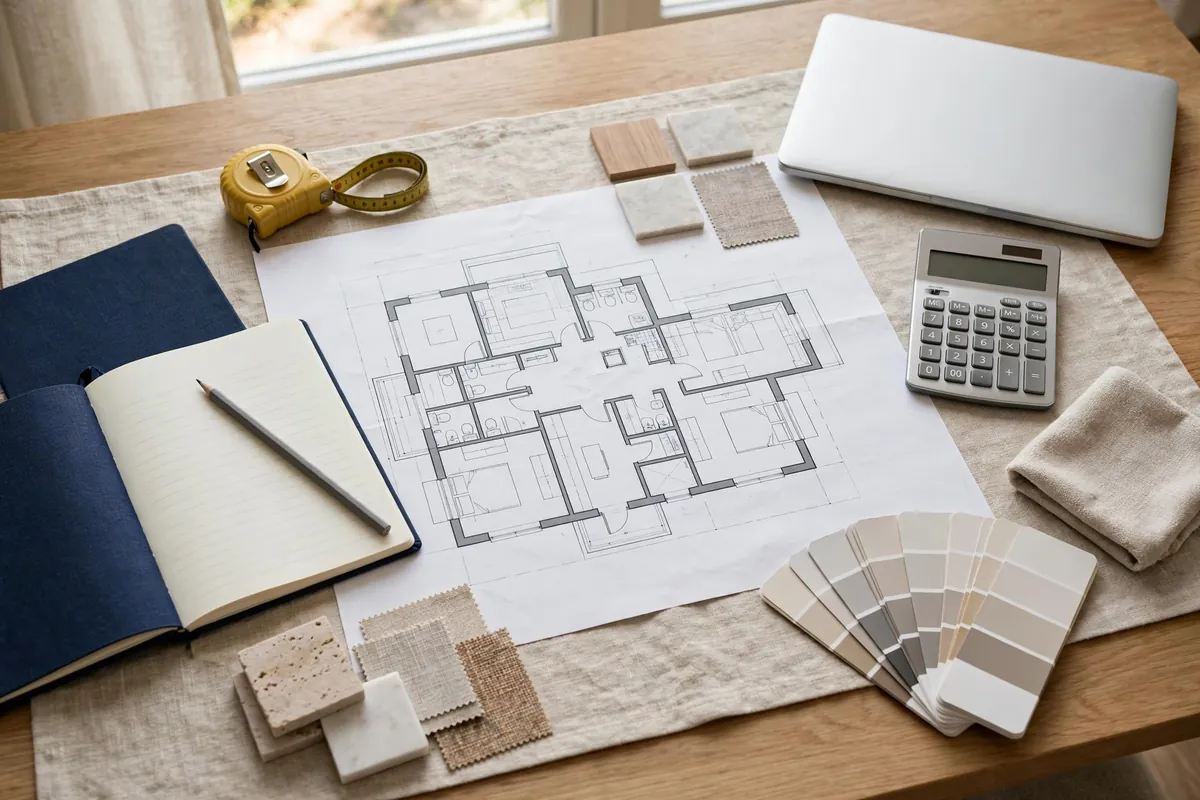
Prefab kits and panelized homes
Precut materials or wall panels made in a factory and assembled on your site by you or a contractor.
- Code
- HUD groups precut (kit) and panelized homes with factory-built homes, which must meet local building codes; expect local permits and inspections.
- Financing
- Lender-specific. Because you assemble the home on site, ask lenders early whether they finance kit or owner-built projects.
- Watch for
- Kit prices that exclude the foundation, roofing, mechanicals, interior finishes and the labor to assemble.

Small and tiny homes
A size description, not a legal type. A small home can be a modular unit, a HUD-code home (at least 320 sq ft), a kit, an accessory dwelling unit (ADU) or a vehicle-style unit on wheels.
- Code
- Depends on how it is built and certified; ask the seller which code and label apply.
- Financing
- Varies with classification; some units may not qualify for a home mortgage. Ask lenders before you buy.
- Watch for
- Local rules on minimum dwelling size, ADUs and full-time occupancy.
Sources: HUD Office of Policy Development and Research, “Single-Family Site-Built, HUD Code Manufactured, and Factory-Built Homes”; HUD, Manufactured Housing Homeowner Resources.
What goes into the total move-in cost
Use this checklist to mark each cost as included, separate or unknown on every quote you receive. The national ranges are HomeGuide’s published averages for modular homes (updated December 2025) and are context only; your site, state and seller decide the real numbers.

| Cost component | National context (HomeGuide, modular) | Already in the seller’s price? |
|---|---|---|
| Home or factory package (1,500 sq ft unit) | $75,000–$150,000 | Yes, by definition; confirm what “base” covers |
| Land | Not included in any range | Rarely; a separate purchase or lease |
| Survey, clearing, excavation, grading | $4,000–$11,000 | Usually not |
| Foundation | $6,000–$20,000 | Sometimes in “installed” or turnkey quotes |
| Delivery and crane set | $3,000–$12,000 | Often, per HomeGuide; check distance limits |
| Installation and finish work (“button-up”) | $10,000–$50,000 | Varies by seller |
| Utility construction (well/septic or connections, power, HVAC) | $2,500–$25,000+ | Usually not |
| Permits and fees | $500–$4,000 | Sometimes pulled by the builder and billed back |
| Sales tax | $5,000–$15,000 | Often, per HomeGuide; varies by state |
| Additions (garage, deck, driveway) | $5,000–$50,000 | Usually not |
| Contingency | Your choice | No |
Swipe the table sideways to see all columns.
Source: HomeGuide, “How Much Does It Cost to Build a Modular Home?” (page last modified December 1, 2025; retrieved October 20, 2026). HomeGuide’s own total for these items is $103,000–$310,000, excluding land.
Where should you start?
Answer these in order. Each one can change the budget more than the choice between two floor plans.
1. Do you already own buildable land?
Yes: start with the site. Ask the local building or zoning office what can be placed there, then price survey, access, foundation and utilities before choosing a home. See the cost to put a manufactured home on land.
No: budget land and home together, and confirm zoning before you sign for either.
2. Which home classification fits the land and your loan?
Modular, HUD-code manufactured and kit homes follow different codes and financing paths. Compare them in manufactured vs. modular homes.
3. Does zoning allow it as a permanent residence?
Ask the planning office in writing whether the exact home type is allowed on the parcel, which foundation is required, and whether a conditional use permit applies. Do not rely on a seller’s general statement.
4. What is your all-in budget, not your home budget?
Add land, site work and contingency before you shop. If a listing looks affordable, read what prefab homes under $100K usually exclude.
5. Will you live there full time?
Full-time occupancy can trigger rules on minimum size, utilities and foundations that a vacation cabin or backyard unit may not face. Confirm locally.
Start with these guides
Modular Home Cost 2026: From Factory Quote to Move-In
How unit-only, delivered, installed and turnkey quotes differ, with dated national ranges and a worked example.
Manufactured vs. Modular Homes: Code, Cost and Financing
HUD code versus local codes, titles, foundations and the loans each type usually qualifies for.
Prefab Homes Under $100K: What Is Excluded?
What kit-only, shell, delivered and installed offers leave out, and how to check before you pay a deposit.
Cost to Put a Manufactured Home on Land
Zoning, survey, access, foundation, utilities, delivery and inspections, item by item.
Financing, zoning, code and insurance: verify before you sign
- Code: HUD-code homes are certified to the federal standard at the factory; modular and kit homes are inspected under state and local codes. Ask which applies in writing.
- Installation: HUD regulates manufactured-home installation unless your state runs an accepted program, and some states license installers. HUD advises listing every installation service separately in the contract.
- Financing: HUD notes that manufactured homes can be eligible for FHA, VA and USDA Rural Housing loans, and that some lenders require an approved foundation for a real estate mortgage. Talk to more than one lender.
- Counseling: HUD encourages buyers to contact a HUD-approved housing counseling agency; HUD lists a referral line at (800) 569-4287.
- Zoning: rules on where manufactured, modular and small homes may be placed are local. Confirm with the planning or zoning office for the specific parcel.
- Insurance and taxes: these are ongoing costs that depend on the home’s classification, location and title. Get quotes and ask the county assessor rather than relying on averages.
Official references: HUD Manufactured Housing Homeowner Resources · 24 CFR Part 3280 (HUD Code) · Census Manufactured Housing Survey · 42 U.S.C. 5402 (definition, as amended July 2026) · HUD Next Generation Manufactured Housing Action Plan (Oct. 7, 2026). This page is general information, not legal, lending or tax advice.
House plans and buying resources
We have not yet published a comparison of house-plan sellers or prefab manufacturers, so this section links only to public reference sources. When we compare sellers, we will publish the scoring rubric first and label any paid or affiliate relationship next to the link.
- Census: latest average sales prices of new manufactured homes (the May 2026 national average was $130,500; single-section $82,200; double-section $166,600. Dealers are told to include dealer set-up; Census notes other costs to prepare a home for occupancy may not be included.)
- HUD PD&R brief comparing site-built, HUD-code and factory-built homes
- How to hire a home contractor: quotes and red flags
How we research this section
We use official sources first (HUD, the Census Bureau and federal regulations), then dated, published cost research, and we show the date beside each figure. We do not accept payment for rankings, we have not toured factories or tested homes for this page, and we do not publish customer reviews we cannot verify. Home Cost Desk is not a builder, dealer, lender or real estate broker. This page currently contains no affiliate links; if that changes, the link will be labeled and our affiliate disclosure applies.
Last reviewed: October 20, 2026. Read our research methodology and editorial policy.

Next step: gather your written quotes and run them through the calculator, marking what each seller includes.