Updated September 2026. Home maintenance is not one predictable bill. It is a mix of recurring service, preventive work, small repairs, and irregular replacements. A good budget therefore needs both an annual maintenance allowance and a separate reserve for major systems.
Open the Annual Home Maintenance Budget Calculator →
Quick answer: How much does home maintenance cost per year?
Thumbtack’s Q2 2026 Home Care Price Index estimates that homeowners spend about $11,196 per year to maintain a single-family home using hired professionals. That figure is a professional-service index, not a required budget for every household. A homeowner who performs routine work personally may spend less; an older or complex property can spend much more.
The percentage-of-home-value rule
A common planning guideline is to reserve roughly 1% to 3% of the home’s value per year for maintenance and repairs. Regions Bank uses that range as a general homeowner budgeting rule. Treat it as a reserve framework rather than a prediction of what you will spend every single year.
| Home value | 1% reserve | 2% reserve | 3% reserve |
|---|---|---|---|
| $250,000 | $2,500 | $5,000 | $7,500 |
| $400,000 | $4,000 | $8,000 | $12,000 |
| $600,000 | $6,000 | $12,000 | $18,000 |
| $800,000 | $8,000 | $16,000 | $24,000 |
What should an annual maintenance budget cover?
- HVAC service and filter replacement
- Gutter and drainage maintenance
- Roof and exterior inspections
- Plumbing leaks, fixtures, and drain issues
- Caulk, sealants, and weatherproofing
- Appliance service and minor repairs
- Pest prevention where needed
- Smoke/CO detector maintenance
- Small electrical repairs
- Exterior cleaning, paint touch-ups, and trim repairs
Maintenance is different from capital replacement
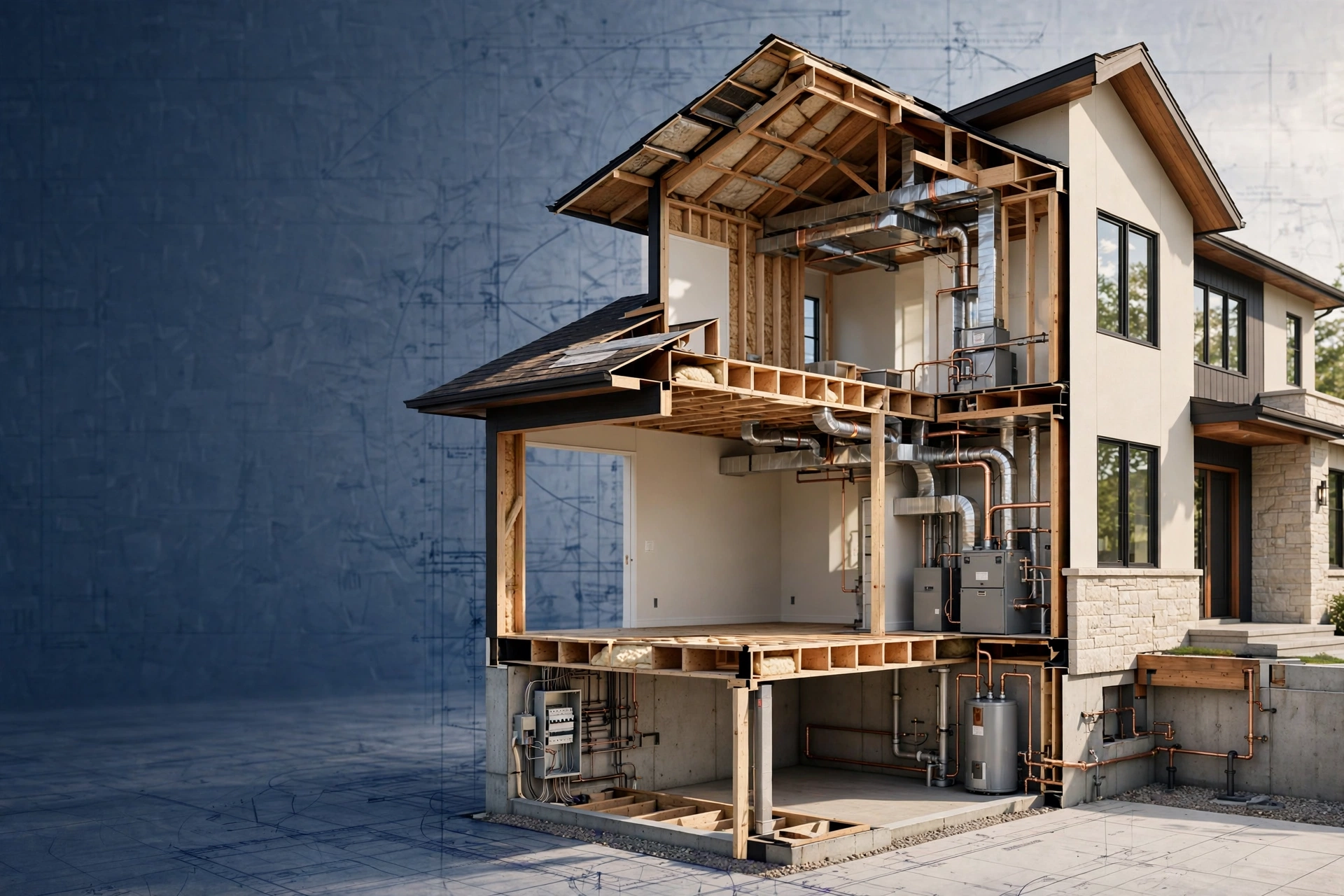
A maintenance budget should not be your only reserve. Roofs, HVAC systems, water heaters, windows, appliances, sewer lines, and electrical equipment eventually require major repair or replacement. These costs can arrive in the same year even if routine maintenance was handled correctly.
A better way to build your reserve
Step 1: List major systems
Record the approximate age and condition of your roof, HVAC equipment, water heater, major appliances, windows, plumbing, and electrical panel.
Step 2: Estimate the next major replacement
Use current cost guides to estimate the likely replacement range, then divide the amount across the remaining years you expect from that component. This turns a future emergency into a monthly saving target.
Step 3: Add recurring maintenance
Include predictable annual items such as HVAC service, gutter cleaning, pest control, chimney or fireplace service where applicable, and seasonal exterior work.
Step 4: Keep a contingency
Homes do not fail according to spreadsheets. Keep accessible cash for leaks, electrical faults, appliance failures, storm damage deductibles, and other surprises.
Which homes need a larger reserve?
Older homes, larger homes, properties with pools or extensive landscaping, houses in harsh climates, and homes with aging mechanical systems generally need more reserve. Local labor rates and insurance deductibles also matter.
How maintenance can reduce bigger costs
Preventive work does not eliminate replacement, but it can reduce avoidable damage. Examples include keeping water away from the foundation, changing HVAC filters, addressing small roof leaks early, maintaining sealants around wet areas, and repairing plumbing leaks before they damage walls or flooring.
What does the $11,196 annual figure actually mean?
Thumbtack’s Q2 2026 Home Care Price Index estimates that maintaining a single-family home with hired professionals averages about $11,196 per year. That is best treated as a national professional-service benchmark, not a bill every homeowner should expect to pay. The index combines recurring home-care projects and recommended service frequencies, so your actual spending can be lower if you handle routine work yourself or higher if your home is older, larger, more complex, or located in a high-cost market.
Convert your annual reserve into a monthly target
Many homeowners find it easier to save monthly instead of trying to absorb a large repair all at once. Using the 1%–3% guideline as a reserve framework, a $400,000 home translates to roughly $333 to $1,000 per month. A $600,000 home translates to about $500 to $1,500 per month.
You do not need to spend that amount every month. The goal is to build a dedicated home-maintenance fund that can absorb uneven costs such as an HVAC repair, roof leak, failed appliance, plumbing problem, or exterior repair without disrupting your normal household budget.
How to split a home maintenance budget
A practical maintenance plan usually has three buckets:
- Routine upkeep: filters, inspections, cleaning, caulk, sealants, gutter service, pest prevention, and seasonal maintenance.
- Small and medium repairs: plumbing leaks, appliance repairs, electrical service calls, door and window repairs, drywall repair, and minor roof work.
- Major-system reserve: roof, HVAC, water heater, windows, sewer line, electrical panel, and major appliances.
Keeping the major-system reserve separate is important. A homeowner can have a perfectly normal maintenance year and still face a large replacement expense if an aging roof or HVAC system reaches the end of its useful life.
Should a newer home have the same reserve as an older home?
Not necessarily. A newer home with recently installed mechanical systems may need less near-term repair spending, while an older property with several systems approaching replacement age may need a larger cash reserve. Home value alone does not tell the whole story. The age and condition of the roof, HVAC equipment, water heater, plumbing, electrical system, windows, appliances, drainage, and exterior materials are more useful for deciding how much cash you should keep accessible.
When should you increase your maintenance fund?
- Several major systems are more than halfway through their expected service lives.
- You have already noticed recurring leaks, drainage problems, electrical issues, or HVAC breakdowns.
- The home has a large roof, multiple HVAC systems, a pool, extensive landscaping, or other high-maintenance features.
- You live in an area with severe heat, freezing weather, heavy rain, hurricanes, wildfire exposure, or other conditions that accelerate wear.
- Your insurance deductible is high enough that you would need substantial cash after a covered event.
Annual home maintenance budget example
Suppose a homeowner has a $500,000 house with a 12-year-old HVAC system, an 18-year-old roof, and a relatively new water heater. A simple 2% reserve rule would suggest setting aside about $10,000 per year, or roughly $833 per month. That does not mean the homeowner should expect to spend exactly $10,000. Instead, the reserve provides a cushion while the homeowner separately tracks likely replacement timing for the aging HVAC system and roof.
This system-by-system approach is usually more useful than relying on a percentage rule alone because it connects the budget to the components that are most likely to create large future costs.
Frequently asked questions
Is 1% of home value enough for maintenance?
It can be a reasonable starting point for a newer or lower-maintenance property, but it may be too low for an older home, a house in a harsh climate, or a property with several aging systems. The 1%–3% range is a planning rule, not a guarantee.
Does the maintenance budget include remodeling?
Usually no. Optional upgrades such as a kitchen remodel, bathroom remodel, room addition, or cosmetic renovation should be budgeted separately from routine maintenance and necessary repairs.
Should homeowners keep a separate emergency fund?
Yes. A home maintenance reserve is designed for property expenses. A broader household emergency fund may also need to cover income loss, medical costs, transportation problems, and other non-home emergencies.
What is the best way to estimate my own number?
Start with a broad reserve guideline, then adjust it using the age and condition of your major systems. Review your roof, HVAC equipment, water heater, electrical panel, plumbing, windows, appliances, and exterior. Estimate which components are most likely to need major work during the next three to five years and build those costs into your monthly savings target.
Bottom line
There is no universal annual number for every U.S. homeowner. Thumbtack’s Q2 2026 professional-service index is about $11,196 per year, while a 1%–3% of home value reserve remains a useful general budgeting framework. The strongest plan combines routine maintenance, a cash buffer for repairs, and a separate replacement reserve based on the actual age and condition of your home’s major systems.
Related Home Cost Desk guides
- Home Maintenance Checklist for 2026
- Major Home Systems Lifespan Guide 2026
- Home Improvement Cost Calculator 2026
- HVAC Replacement Cost in 2026
- Roof Replacement Cost in 2026
- Water Heater Replacement Cost in 2026
Home Cost Desk compares current U.S. cost or technical references and checks safety, code, efficiency, incentive, or regulatory claims against authoritative sources when available. National figures are planning ranges, not local quotes.
Editorial review: Home Cost Desk Editorial Team · Read our research methodology · Detailed sources appear below.